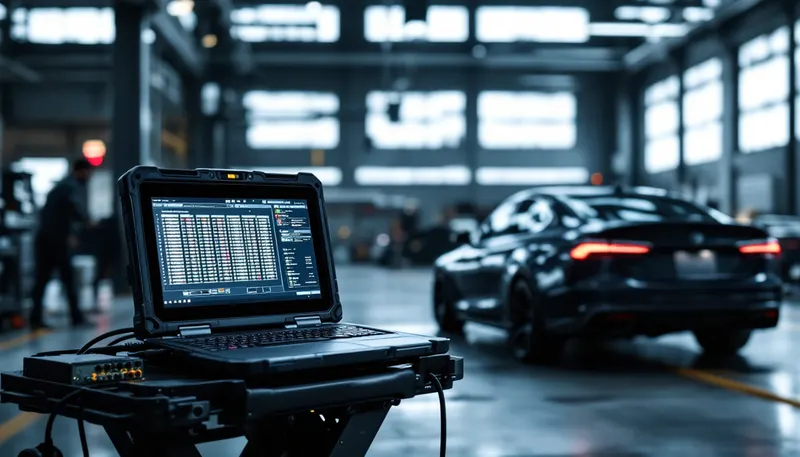
Diagnostics and Coding
Factory tool on every module, written findings
- Price range
- $165–$265
- Typical time
- 1–2 hours
Published ranges
Ten services, each with a typical Dallas independent-shop range, what moves it and which brands need it most. The diagnostic session comes first on every unknown fault; the rest follow the data.
Factory tools for eight brands, repairs covered by a 2-year/24,000-mile warranty
Services
Factory tool on every module, written findings
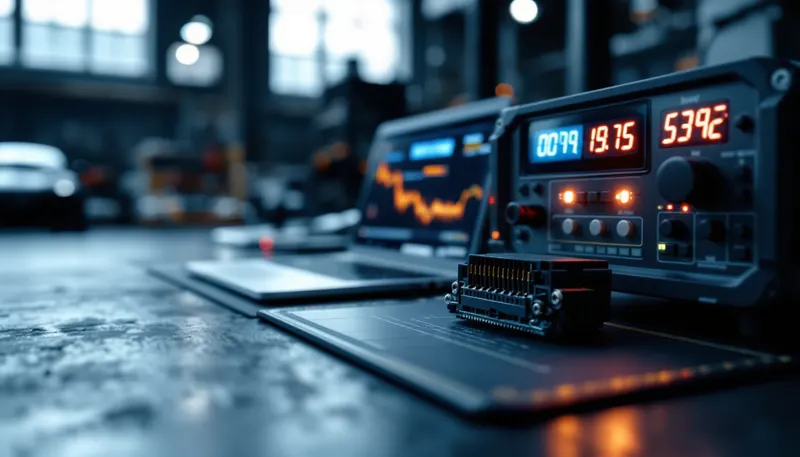
Modules flashed and coded to your VIN

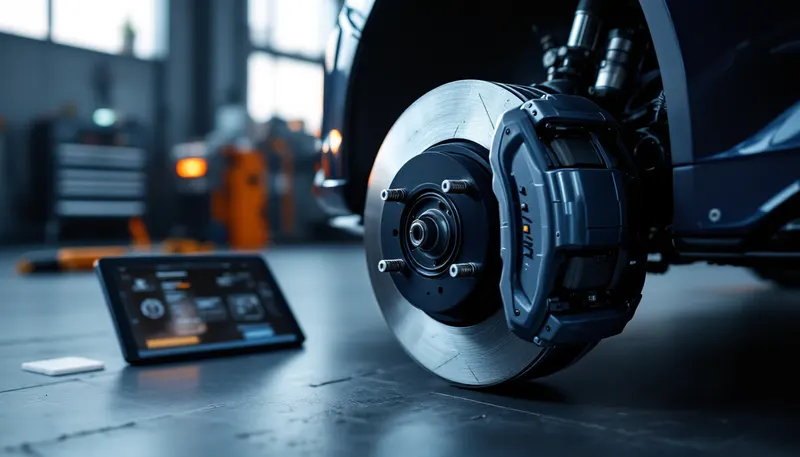

Electric pumps, thermostats, pipes, tested first
Air and steel suspension, tool-calibrated
DSG, ZF, PDK, 722.9 service and repair
Batteries registered, drains traced, wiring fixed

Module scan, lift, road test, written report
Three programming services come first because they are what the shop was built for: the diagnostic session on the platform for your brand, module programming for the controllers that fail and must be flashed and coded, and key and immobilizer work for every brand. Five repair services follow, each one finished with the adaptation or calibration the brand requires: brakes, cooling, suspension including air suspension, transmission and electrical. Oil service and the pre-purchase inspection round out the list, both of them built around the module scan that only a shop with the tool can include.
Each service page carries the symptoms, the likely causes, what is included, the parts policy, the range with what moves it, the brands that need the service most and six questions owners ask.
If the car has a warning, a no-start or a symptom with no obvious cause, book the diagnostic session; it ends with a written range and the repair follows from it. If you know what you need, an oil service, brakes, a spare key, a battery, a DSG fluid service, a pre-purchase inspection, book that directly and the module scan happens during the visit.
If a dealer or another shop has already named the part, book the diagnosis anyway and bring their paperwork. The module data confirms or corrects the finding before you spend, and a half-finished programming job is cheaper to complete when the history is known.
Each range is the typical spread for an independent shop in Dallas, built from the part, the labor and the programming the job needs. The spread exists because the same service costs different amounts on different cars: a spare key is a basic remote on a Volkswagen and a display key on a BMW; a water pump is a belt-driven part on one engine and an electric unit behind the intake on another; a module is a tested used unit on a BMW and a factory-locked new one on a Mercedes.
The brand pages narrow each range for the chassis they cover, and the written estimate after the diagnostic session narrows it to your car. Dealer figures are not quoted on this site; the comparison is between the written range and the quote in your hand.
Questions
Yes, when the job is known: a service, brakes, a key, a battery, a fluid service or an inspection. For a warning, a no-start or a symptom with more than one possible cause the session comes first, because the estimate depends on what the module data shows.
Yes. Every range on a repair page includes the coding, adaptation, registration or calibration the brand requires for that repair; module programming has its own page because the module itself is the larger share of that figure.
Those jobs are quoted after the diagnostic session, because the parts list depends on the measurement; the brand pages list the typical ranges, for example an N20 chain set or EA888 carbon cleaning, and the written estimate follows the cam deviation or the misfire data.
Not sure whether it is a module, a key or a repair?
Ten services, each with a typical Dallas independent-shop range, what moves it and which brands need it most. The diagnostic session comes first on every unknown fault; the rest follow the data.