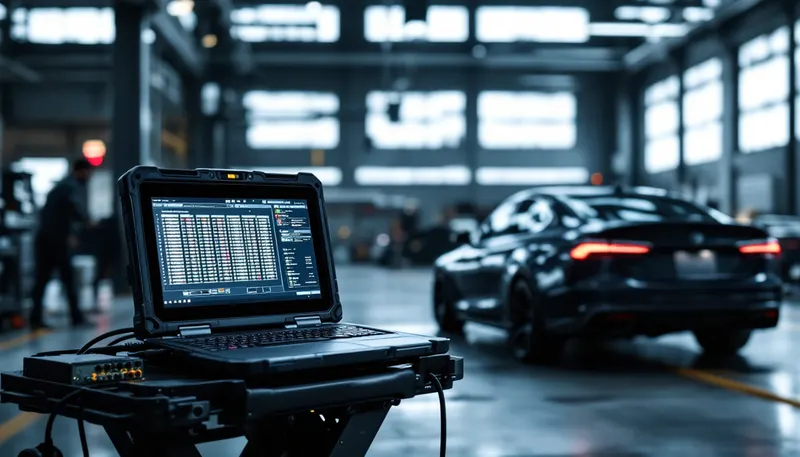
Diagnostics and Coding
Factory tool on every module, written findings
- Price range
- $165–$265
- Typical time
- 1–2 hours
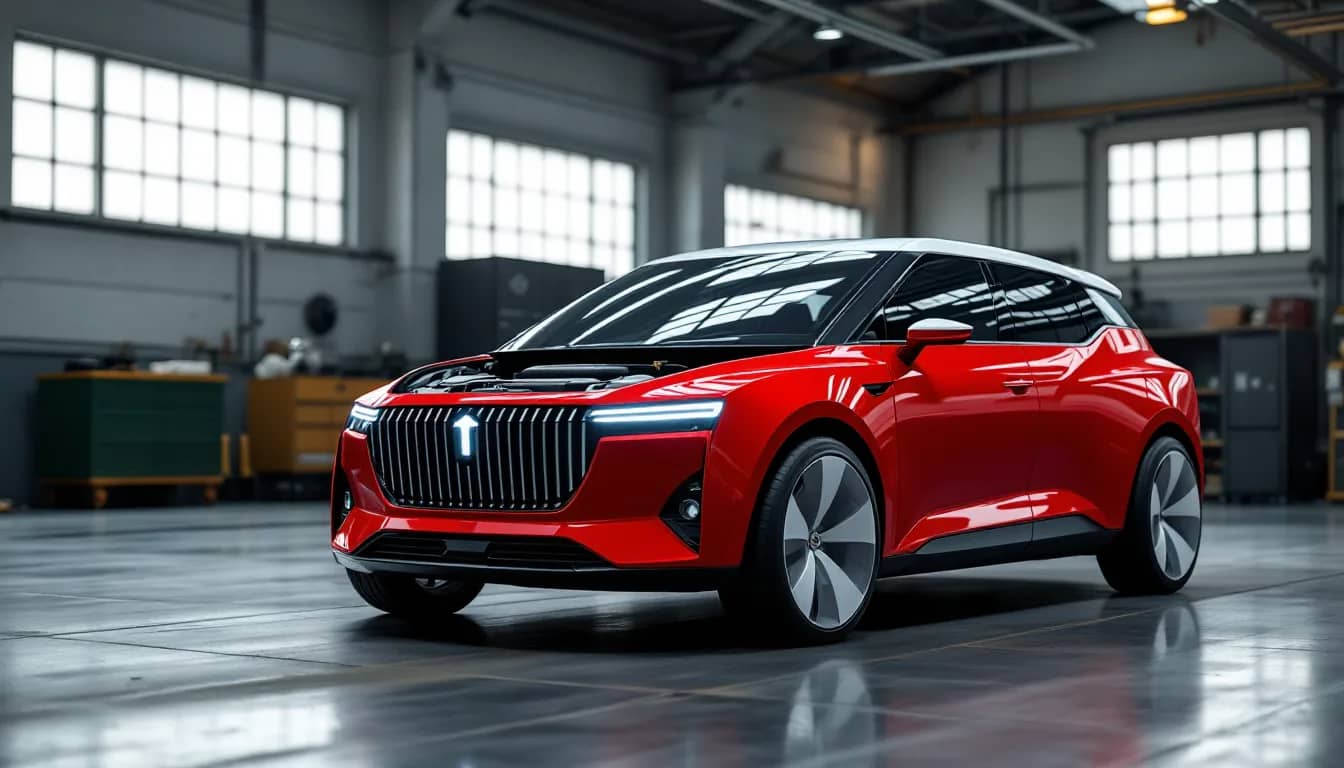
R50, R52, R53 · R56, R55, R57, R58, R59 · R60 Countryman and R61 Paceman · F56, F55, F57, F54 Clubman · F60 Countryman
A MINI is a BMW underneath, read with ISTA and coded like one, with its own list of faults: the N14 chain rattle, the footwell module, the CAS, the thermostat housing and the turbo oil feed.
Factory tools for eight brands, repairs covered by a 2-year/24,000-mile warranty
Generations
R50, R52, R53
2002–2006
Tritec engine with the supercharged Cooper S, electric power steering pump that overheats, CAS-era electronics; the cars that started the Dallas MINI following.
R56, R55, R57, R58, R59
2007–2015
N12 and N14 Prince engines, later the N16 and N18; the generation with the chain rattle, the turbo oil feed, the thermostat housing and the footwell module faults.
R60 Countryman and R61 Paceman
2011–2016
Same N16 and N18 engines in a heavier body with ALL4, so the cooling and chain issues arrive sooner.
F56, F55, F57, F54 Clubman
2014–
B38 three-cylinder and B48 four-cylinder BMW engines, BDC body controller, Aisin automatics and the Getrag dual-clutch; coded through ISTA like a current BMW.
F60 Countryman
2017–
The UKL platform with the B48, ALL4 and a plug-in hybrid version whose high-voltage system needs the factory tool for everything.
Known failures
Problem
N14 and early N18, 2007–2012: Rattle for a few seconds on a cold start, growing louder; later a check engine light with cam timing faults.
Likely cause
Timing chain, guides and tensioner wear on the Prince engine; the death rattle owners describe.
The fix
Cam deviation measured through ISTA, chain, guides and tensioner replaced; quoted after the measurement.
Diagnostics and CodingProblem
N14 Cooper S and JCW, 2007–2010: Turbo whine or smoke, oil consumption, a turbo that has lost its bearings.
Likely cause
The turbo oil feed line cokes up and starves the bearing.
The fix
Feed line and filter replaced, turbo replaced where it has failed, with the data confirming it.
Diagnostics and CodingProblem
R56 generation, 2007–2015: Coolant leak at the side of the engine, temperature warning in traffic.
Likely cause
The plastic thermostat housing cracks; the water pump and the expansion tank follow.
The fix
Housing replaced with the thermostat, pressure test, vacuum fill ($320–$750).
Cooling System RepairProblem
R56 generation, 2007–2015: Headlights, turn signals, wipers or windows stop working after a flat battery or a jump start.
Likely cause
The footwell module corrupts its memory on a voltage drop.
The fix
Module recovered on the bench and recoded, or replaced and coded through ISTA ($600–$1,400).
Electrical RepairProblem
R-series with the CAS, 2007–2015: Key not recognized, car cranks and dies, or no crank at all.
Likely cause
The CAS or its antenna ring, or a key whose transponder has failed.
The fix
CAS data read, key or CAS repaired or replaced and aligned ($220–$450 for a key, $600–$1,100 for the CAS).
Key ProgrammingProblem
R53 Cooper S, 2002–2006: Heavy steering, power steering fan running after shutdown, a burnt smell under the hood.
Likely cause
The electric power steering pump overheats when its cooling fan fails.
Problem
F-series, 2014–: Warnings on cold mornings, drains in days, new battery did not help.
Likely cause
Battery never registered, or a module that stays awake.
The fix
Battery registered through ISTA ($85–$150), drain traced in the gateway data.
Electrical RepairProblem
Aisin and Getrag automatics, 2007–: Harsh shifts, delayed engagement, a transmission warning.
Likely cause
Fluid past its useful life; on the dual-clutch, the clutch adaptations.
The fix
Fluid and filter by specification, adaptations reset through ISTA ($320–$520).
Transmission Service and RepairSince the R50 of 2002 a MINI has used BMW electrical architecture, and since the R56 it has used BMW control units with MINI names on them: the CAS holds the keys, the footwell module runs the lights and windows, the DME is a Bosch unit coded from the BMW data, and the F-series cars carry the BDC body domain controller of a current BMW. ISTA reads all of them with the MINI test plans, codes them to the VIN, registers the battery and resets the condition-based service, exactly as it does on a 3 Series.
That matters because the generic scan that a general shop runs sees the engine and nothing else, while most of what strands a MINI lives in the body electronics. A car that cranks and dies, lights that fail after a jump start, a key that is sometimes recognized: each is a body controller fault with data behind it, and each is finished here with the module recovered or replaced and coded.
The N14 engine of the 2007 to 2010 Cooper S and the N12 of the base car came with a timing chain and tensioner that wear early, producing the cold-start rattle every MINI owner has heard of. The N18 that replaced them in 2011 improved the tensioner but did not end the issue. ISTA measures the cam timing deviation, so the decision to replace the chain, guides and tensioner is made on a number, and the job is quoted after that measurement rather than from the noise.
The N14 also starves its turbo through a coked oil feed line, which is why Cooper S turbos fail at mileages that surprise owners; the feed line is replaced whenever the turbo is, and on its own as a preventive job. The plastic thermostat housing cracks on every R56 engine, the water pump and the expansion tank follow, and the valve cover and the oil filter housing gasket weep oil onto the exhaust. Carbon buildup on the direct-injection N14 and N18 completes the mechanical list.
Electrically the footwell module leads, bricked by a flat battery or a careless jump start, then the CAS and its antenna ring, then the window regulators and the door harnesses. All of them are read through ISTA and repaired or replaced and coded.
The F56 and its siblings use the B38 and B48 BMW engines, which trade the chain and turbo problems of the Prince engine for the oil filter housing gasket, the coolant pipe at the back of the engine and the occasional VANOS fault, all of them tool-confirmed. The BDC replaces the CAS and the footwell module in one controller under the dash, and it is as sensitive to voltage and water as its BMW twin.
What the F-series needs most is the software side: battery registration at every replacement, integration-level updates when a fault is documented, option coding for retrofits and the comfort features owners ask for, and the adaptations after a steering angle sensor or a throttle body. The Aisin automatic and the Getrag dual-clutch get fluid by specification and adaptations through ISTA.
Start the car stone cold and listen for the first five seconds on any 2007 to 2015 car; then read the cam deviation in ISTA, because a quiet chain can still be worn. Read the historical faults with their mileage stamps for footwell module, CAS and undervoltage events, and count the keys in the CAS. On the lift, look at the thermostat housing, the water pump and the valve cover for the leaks every R56 develops, and at the turbo oil feed on a Cooper S.
On the road test with the data logging, watch the misfire counters and the boost on a turbo car and the transmission adaptations on an automatic. The pre-purchase inspection covers all of this and writes each finding with a repair range.
ISTA diagnostics and coding run $165–$265. A footwell module recovered or replaced and coded runs $600–$1,400, a CAS $600–$1,100, a spare key $220–$450, a thermostat housing or water pump $320–$750, an automatic transmission fluid service $320–$520 and a battery registration $85–$150. N14 and N18 chain work and turbo replacement are quoted after the cam deviation measurement and the data read, because the parts list depends on them.
Every estimate is written before a part is ordered and every repair is covered for 2 years parts and 2 years labor, up to 24,000 miles, nationwide. To book, call or text (817) 765-6604 with the year, model and the noise or the warning.
Costs
| Service | Price range | Typical time |
|---|---|---|
| ISTA diagnostics and coding | $165–$265 | 1–2 hours |
| Footwell module recovered or replaced and coded | $600–$1,400 | |
| CAS repaired or replaced and aligned | $600–$1,100 | |
| Spare key, cut and programmed | $220–$450 | |
| Thermostat housing, water pump or expansion tank | $320–$750 | |
| Automatic transmission fluid and filter | $320–$520 | |
| Battery registered through ISTA | $85–$150 |
Typical Dallas independent-shop ranges; the generation and the engine set the figure, and N14 chain and turbo work is quoted after the cam deviation measurement.
How booking works
Covered for 2 years parts and 2 years labor, up to 24,000 miles, nationwide
Questions
Almost certainly, on an N14. The rattle is the chain against worn guides before oil pressure builds, and ISTA measures the cam timing deviation to say how far it has gone. The chain, guides and tensioner are replaced together, and the turbo oil feed line is checked at the same time.
The footwell module corrupted its memory during the voltage event, which is the most common R56 electrical fault. It is recovered on the bench and recoded, or replaced and coded through ISTA, for $600–$1,400, and the battery is registered at the same time.
Yes, through the CAS on the R-series and the BDC on the F-series, with the key ordered by VIN, cut and programmed in one visit at $220–$450 with a working key present. A lost key is disabled during the new enrollment.
Yes, within the MINI data for the VIN and the hardware the car has: start-stop memory, lighting behavior, mirror fold, the digital displays and the comfort functions, with the original values recorded so any change can be reversed.
The plastic thermostat housing on the side of the engine cracks and weeps, and the water pump and expansion tank are usually not far behind. The system is pressure tested to confirm which part has failed, and the housing with the thermostat runs $320–$750.
Services
Factory tool on every module, written findings
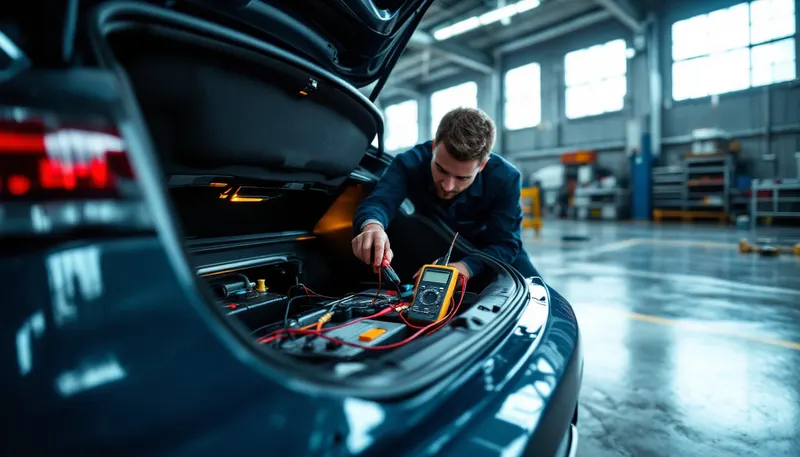
Batteries registered, drains traced, wiring fixed
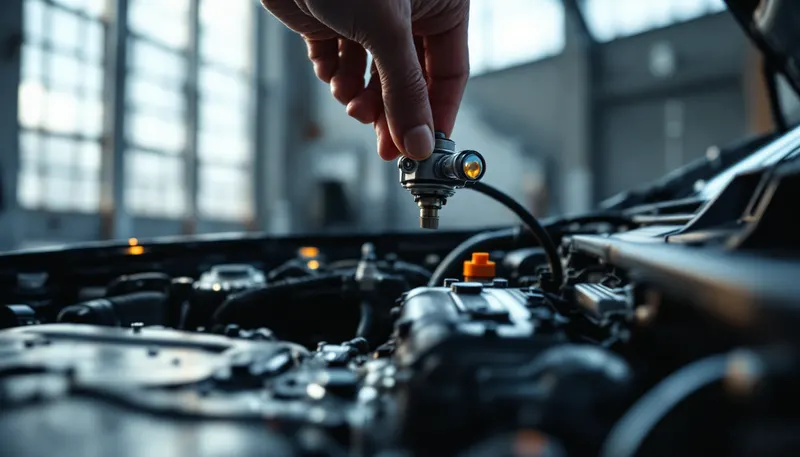
Electric pumps, thermostats, pipes, tested first
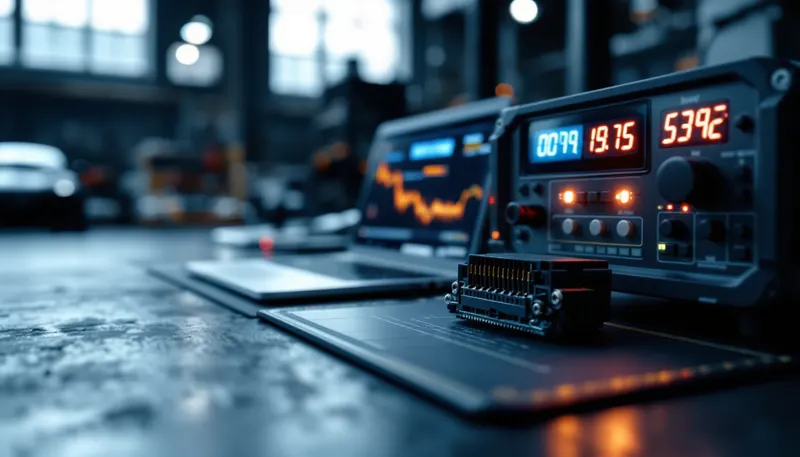
Modules flashed and coded to your VIN
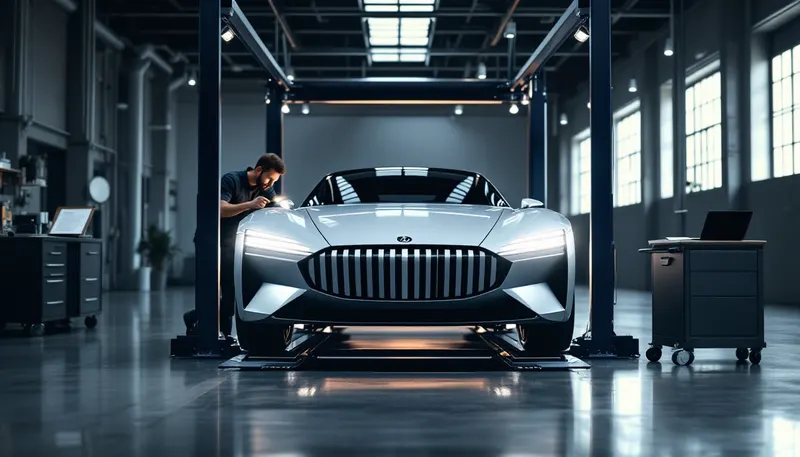
Module scan, lift, road test, written report
Bring your MINI to a specialist
A MINI is a BMW underneath, read with ISTA and coded like one, with its own list of faults: the N14 chain rattle, the footwell module, the CAS, the thermostat housing and the turbo oil feed.